General Introduction
In the world of industrial manufacturing and everyday life, elastic materials such as TPR, rubber, and silicone play an essential role. They appear in a wide range of familiar products, from keychains, toys, and promotional accessories to medical devices and high-tech components.
Each material possesses its own unique characteristics, offering specific advantages and limitations. Understanding what TPR is, the properties of rubber, and how silicone is applied enables businesses and consumers to select the most suitable material for their intended use.
To explore the properties and applications of each material in greater depth, Quân Chí is always ready to support businesses with professional consultation and tailored solutions—helping optimize production processes while ensuring consistent product quality.
What is TPR?
TPR (Thermoplastic Rubber), commonly referred to as thermoplastic elastomer, is a hybrid material that combines the elasticity of rubber with the processing flexibility of plastics. Thanks to this combination, TPR offers excellent softness, flexibility, and ease of molding into complex shapes.
TPR is lightweight, odorless, relatively safe for direct contact, and—most importantly—recyclable, making it more environmentally considerate compared to many conventional plastics.
From a manufacturing perspective, TPR stands out as a well-balanced and cost-effective solution. It allows precise detailing, stable quality, and efficient mass production. While it may not match natural rubber in extreme durability or load resistance, TPR performs reliably in standard conditions and maintains good shape stability for everyday applications.
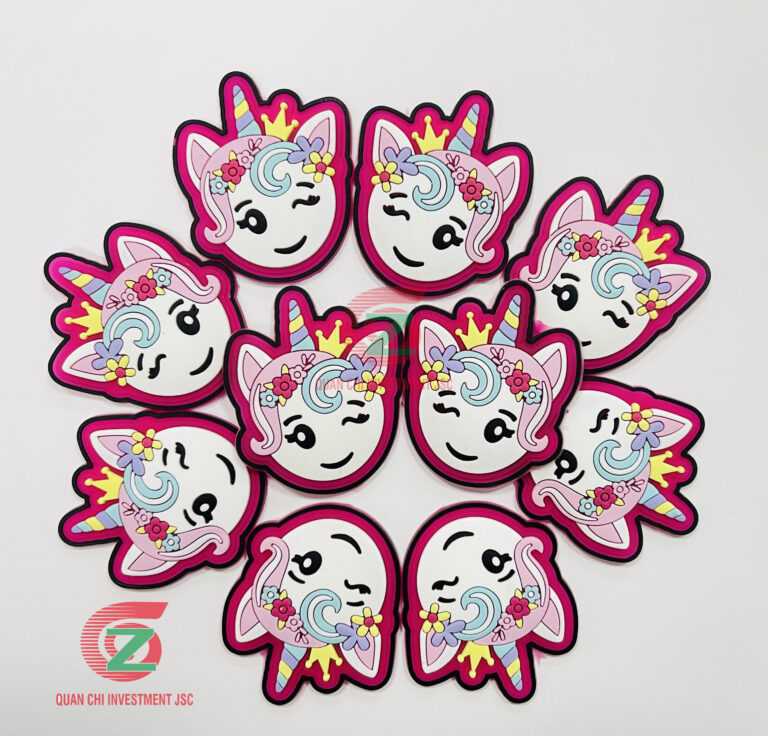
As a result, TPR is widely used in keychains, toys, phone cases, promotional accessories, footwear components, apparel logos, bags, backpacks, and cost-efficient medical or consumer products—where performance, aesthetics, and production efficiency must align.

What is Rubber?
Rubber has been closely connected to human life for centuries. It exists in two main forms: natural rubber, derived from rubber tree latex, and synthetic rubber, produced from petroleum-based chemicals.
Rubber’s greatest strengths lie in its exceptional elasticity, high durability, strong load resistance, and excellent abrasion resistance. For decades, it has been widely used in tires, conveyor belts, seals, gloves, and protective equipment.
In the promotional and accessory industries, rubber is also a popular choice for items such as wristbands and advertising keychains. However, some rubber types may have a characteristic odor and can cause allergic reactions in sensitive users. In addition, rubber’s heat resistance is more limited compared to silicone.
What is Silicone?
Silicone is a silicon-based compound with a highly stable chemical structure. It is water-resistant and offers outstanding heat resistance, operating effectively across a wide temperature range from -60°C to 250°C.
One of silicone’s most notable advantages is its absolute safety when in contact with food and the human body. It is non-toxic, non-irritating, easy to clean, and resistant to stains.
Thanks to these properties, silicone is extensively used in medical applications, including tubing, baby products, and surgical tools. In household products, it is commonly found in baking molds, heat-resistant gloves, and food containers.
In the gift and promotional sector, silicone is considered a premium material for keychains, wristbands, and advertising patches due to its color stability, safety, and refined appearance. Its main limitation lies in its higher cost compared to TPR and rubber, and in certain high-load applications, its mechanical strength may be lower than rubber.
Comparing TPR, Rubber, and Silicone
To better illustrate the differences, these three materials can be compared across several key criteria:
- Elasticity: Natural rubber offers the highest elasticity, TPR provides a flexible and stable balance, while silicone maintains consistency without being overly soft.
- Durability: Rubber excels in load resistance, silicone remains durable under temperature extremes, and TPR delivers reliable performance for standard applications.
- Heat resistance: Silicone leads with resistance up to 250°C, rubber typically withstands 70–120°C, and TPR is suitable for moderate temperatures.
- Safety: Silicone ranks highest due to its inert nature and suitability for food and medical use; TPR offers good safety for general consumer products; rubber may cause sensitivity in certain cases.
- Cost: TPR is the most economical and production-efficient choice, rubber falls in the mid-range, while silicone generally carries a higher price due to its advanced properties.
From this comparison, it is clear that TPR is an optimal solution for cost-effective, large-scale production, rubber is ideal when maximum elasticity and durability are required, and silicone is the preferred choice when safety, aesthetics, and heat resistance are top priorities.

Trends and Recommendations for Material Selection
Today’s consumers increasingly prioritize safety, sustainability, and product reliability. At the same time, businesses must balance production costs with quality to remain competitive. Therefore, material selection should consider not only technical performance but also market demand and target customer groups.
For promotional gifts such as keychains or toys, TPR offers an efficient and visually appealing solution while optimizing production costs. When high durability and elasticity are essential—such as in sports accessories or industrial components—rubber remains a strong choice.
For products related to food, children, or healthcare, silicone is consistently the most trusted material due to its superior safety and premium appearance.
Equally important is partnering with a reputable manufacturer capable of verifying material origin and quality, minimizing the risk of mixed or substandard materials that could impact brand reputation and consumer safety.
Phần kết luận TPR, Rubber, and Silicone
TPR, rubber, and silicone are all widely used materials, each with distinct characteristics and advantages. Businesses should carefully evaluate cost, functionality, and customer needs before making a final decision. The right material choice not only enhances product quality but also builds long-term trust and brand credibility.
If you are looking for manufacturing solutions for TPR, rubber, or silicone accessories, keychains, or patches, feel free to contact our professional team for detailed consultation and competitive quotations. The right material choice is a key factor in creating durable and valuable products.
Quân Chí is proud to be a trusted manufacturer of TPR, Silicone, and Rubber logos for global brands such as Coach, Skechers, Jalas, Adidas, Supreme, Fox, Diesel, Arigato, and more. With extensive experience and strong production capabilities, we are committed to delivering products that meet international standards and the diverse requirements of each brand.
Contact us:
📧 Email: marketing@quanchi.com.vn
🌐 Website: https://quanchi.com.vn/
📞 Hotline: +84 907 587 268
📱 Facebook: Quân Chí Company
“Colors create diversity – Quality builds trust.”